
Partnerships for Inclusion of Neurodiversity in Schools – Update
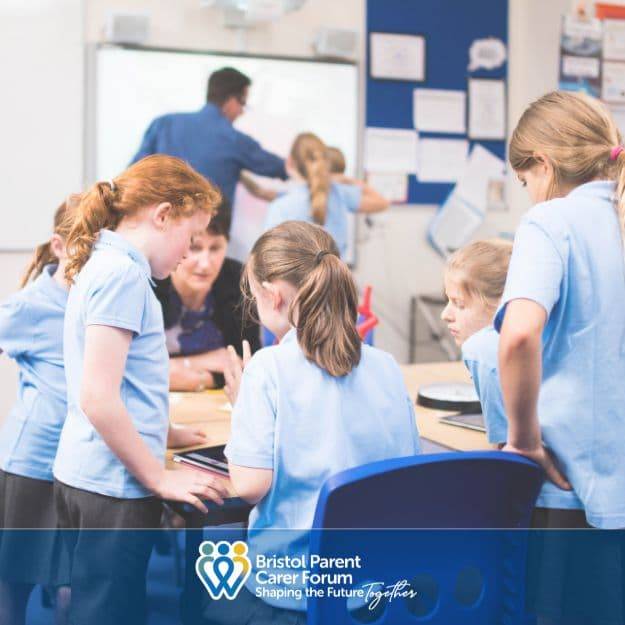
Year 2 of the PINS project is underway, we are working with schools across Bristol, North Somerset and South Gloucestershire to improve inclusion and support for neurodivergent children.
Help: Finding Your Way – written by a parent carer

“Finding Your Way” offers comfort, connection, and solidarity to those just beginning the journey of complex medical needs and provides a valuable window into lived experience for practitioners.
Case Study: Working together for change

This case study shows how working in partnership with parent carers helped rebuild trust, improve relationships, and influence how SEND services are shaped, developed and delivered
Case Study: When school isn’t working

This case study shows how parent carers can be supported when a child or young person is out of school or struggling to attend a setting that isn’t working well for them.
Case Study: SEND and Inclusion Strategy

Parent carers helped shape Bristol’s SEND and Inclusion Strategy by sharing their experiences through surveys, events and conversations, directly influencing the priorities and focus of the strategy.
Talk to us about: EHCPs and transport

Tell us about your experiences with EHCPs, including assessments, reviews, and appeals. We also want to hear about home-to-school transport and whether it works for your family.
Talk to us about: Parent Carer Wellbeing

Tell us about your experiences as a parent or carer, including the support you receive to manage everyday life, your wellbeing, and how you balance caring responsibilities alongside family life.
Talk to us about: Inclusion in education

Tell us about your child’s experiences at school, including how included they feel, the support they receive, and whether they are able to take part fully in lessons, activities and everyday school life.
Talk to us about: Social Care

Tell us about the social care support your child, siblings, or your family receives, including short breaks, home help, time you have apart from your child and other family support.
Talk to us about: Health Services

Tell us about the health services your child uses, like GPs, dentists, hospitals, assessments, therapists, or mental health support, and how easy they are to access.