
- This event has passed.
Understanding Your Child: Neurodiversity Without a Diagnosis
April 1 @ 10:00 - 11:30
Free
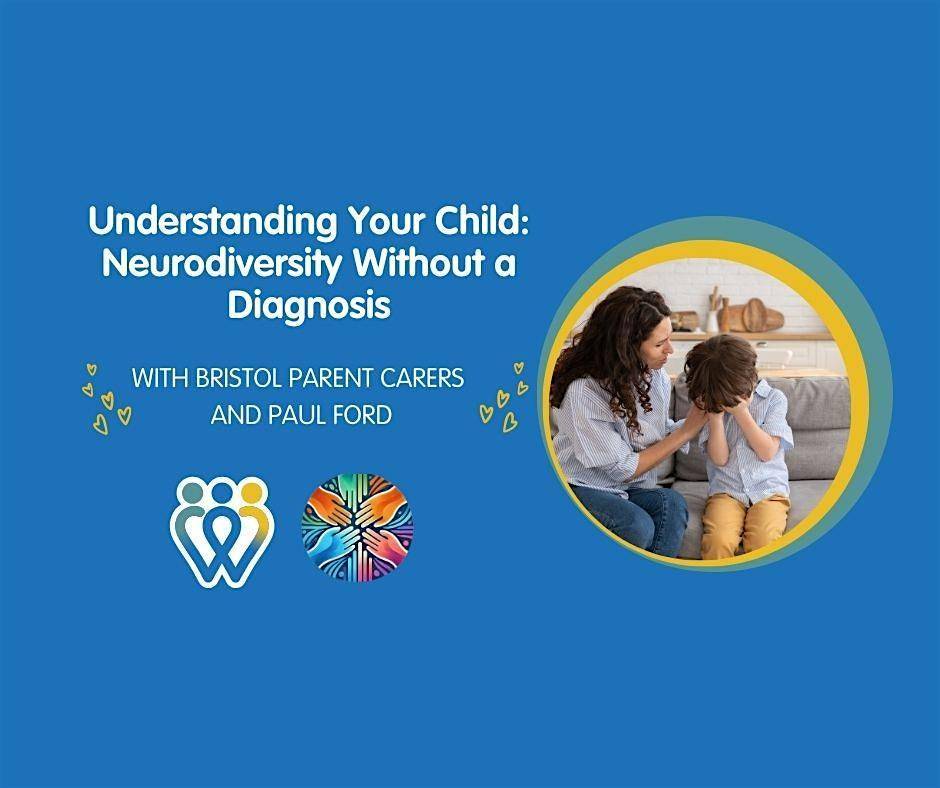
Join Paul Ford and Bristol Parent as we navigate Neurodiversity without a diagnosis
Welcome to, Understanding Your Child: Neurodiversity Without a Diagnosis
Join Bristol Parent Carers and Paul Ford from Paul Ford Autism Support, at St Werburghs Community Centre (Room 9) on Wednesday 1st April at10AM.
Our in person sessions are a great way to connect with other parent carers in a relaxed and welcoming space. We’ll have tea, coffee, biscuits and fruit available — so come along, have a cuppa, and take some time for you while getting helpful information and support.
In this session we will explore neurodiversity and what it means for children who may think, feel or learn differently, we will look at ways to
- Help you recognise early signs your child may be neurodivergent, with a focus on autism
- Understand neurodiversity in a positive, strengths-focused way
- Feel more confident talking with schools, professionals, and family members
- Share questions and experiences in a safe, supportive space
By the end of the session, participants will be able to
- Understand what neurodiversity means, including autism, ADHD, and sensory differences
- Begin to recognise signs that your child may experience the world a little differently
- Understand how children may communicate, feel, play, and learn in their own ways
- Take a strengths-focused approach that values each child for who they are
- Reflect on small, supportive changes at home or school that may help your child feel more comfortable
- Consider possible next steps and sources of support, at a pace that feels right for your family
Places are free, but if you’re able to make a small donation to help us continue offering free sessions to as many families as possible, we’d be incredibly grateful.
*Please note, to attend this session for free you must live in Bristol (your bin will be collected by Bristol City Council), or your child must attend a school in the Bristol city area. You must also have a child with Special Educational Needs, but they do not need to have a diagnosis.